
The 8 Critical Music School Policies and Procedures for Your Handbook: a Complete Guide to Creating Your Studio’s Rules

Creating a central resource for your music school policies and procedures is essential for any type of private music lesson practice to run and grow. We give you the eight, most-critical rules music school owners, studios, and individual instructors must define for their program to prevent revenue loss and build trust with staff and students.
Our 16 years of experience building an in-home music lessons company has taught us just how important these policy foundations are. They can be the difference between generating musical and financial success for everyone in your organization, or the entire reason students and teachers don’t like to work with you.
Yes, policies for a music school are that important.
Why are music studio policies needed for lesson providers?
Failure to develop central rules for your studio will lead to disarray with payments, scheduling, and even the instruction itself. This includes if you have policies set, but they are not well-crafted.
Without protection from your policies, your music studio is vulnerable to losing lessons to confusion and frequent staff turnover, or general dissatisfaction with the way your program runs.
We hate this outcome, because setting clear policies is so easy to do in advance, as well as necessary. A lack of framework should not be a reason your school loses lessons, but this happens all the time with reasonable parents and students.
To build your school to the greatest heights possible, you can’t afford to drop the ball on the environment you create for lessons. Your policies and procedures are a significant contributor to this piece of the relationship between student and teacher, as well as the experience of working with your studio.
Let’s stop the churn and set you up for lessons success with eight critical points to include in your music school’s policies!

What should be included in music school policies and procedures?
Though this question may seem straightforward, a lot of thought, planning, and experience should go into creating a handbook for your music school and deciding what areas of your operation need explanation.
Having first-hand teaching experience in the same format you wish to establish for your teachers is the very best research and preparation you can have for mapping out how you want your school’s lessons to go.
And yet, those music teachers who are new to a specific way of meeting for lessons, or those who are starting out their very own private practice for the first time may not have extensive first-hand experience to pull from. That’s okay!
Wherever you are in your teaching journey, the categories for your music school policies and procedures that we outline here are universal enough to work for any program – large, or small as a solo-teacher practice.
Before we get into the policy and procedure specifics, there are a couple details that will affect how you craft your music studio policies:
- If you have a staff…are your teachers employees, or independent contractors? Many aspects of the teacher’s work with your organization and responsibilities for reporting lessons will be affected by their employment status. We recommend consulting the IRS website for important, foundational guidelines to consider for each type of working relationship.
- How do you meet for lessons with your students? Are you a brick and mortar music studio? A virtual, or an on-location provider? The venue for your instruction will affect the specifics of your cancellation policies, as well as the specific procedures you will choose to outline.
These details will shape your policies and processes for teacher payments and schedule management, as well as the way cancellations are handled, and more. Make sure you have a firm business plan set if you are just getting started and before creating your first policies.
The 8 Core Music Studio Policies for Lesson Providers to Define
As we get into the eight essential areas to cover in your music school policy guidance, consider your audience and that each side of the relationship will need to be defined: role of the teacher, student, and school.
- How to schedule music lessons and get started
- Missed lessons and make ups: your Cancellation Policy
- Enrollment term and termination process
- Payments and billing for music lessons
- Annual schedule and holidays
- In-lesson expectations and standards
- Performance opportunities for music students
- How to request administrative assistance
Though these core policies are applicable to both the teacher and student / family side, separate explanations and presentation of this information to each group is recommended.
To help with creating your own studio-rules for each category listed, we explain the importance of each process, as well as best practices to consider.
I: How to schedule music lessons and get started
Within your music school policies and procedures, you will need to outline the steps, or path, your students complete to begin lessons with your program. This is true on both the teacher and family side, as both will need to know how a new relationship starts, as well as what to expect.
There are many smaller points to consider in this category, like, “how far in advance can a new student schedule their first lesson date?” and “will we require an advance payment to hold a lesson spot?”
As a gold-standard, we always recommend requiring payment, or a deposit to fully commit an ongoing schedule to a student.
In your “getting started” policies and process, you will want to establish a trial music-lesson policy for incoming families.
Teachers should always be paid for trials a school sets up, but how will this work on the enrollment end? Or the payment end for the family?
II: Missed lessons and make ups: your Cancellation Policy
This is a big one, so we are introducing it early on. In your actual music school handbook, though, you can position this section anywhere you choose. Personally, I like to group this with in-lesson policies and around billing info, but truly, that detail is up to you.
Wherever you drop this information in, know that it will be a question already on the mind of your teachers and families. What do we do if we need to cancel a music lesson?
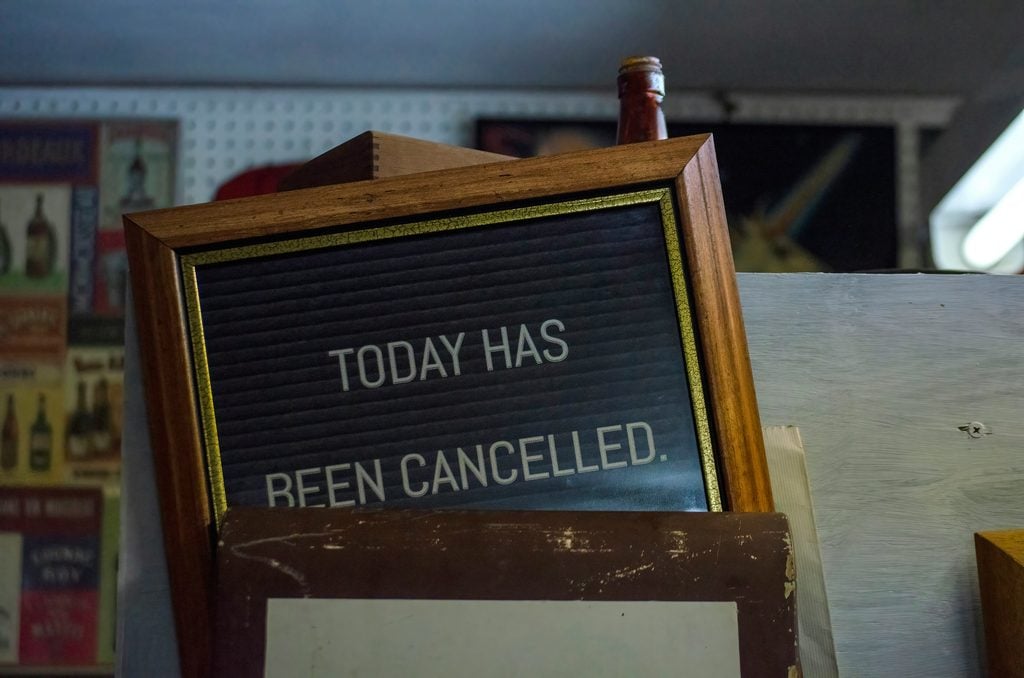
This particular policy is so critical, because it defines a common variation to our normal plan. It could also have billing ramifications for the family, or teacher, or both. I’ve seen lessons end over poor cancellation processes, especially, so this is a point that is worth extra consideration.
There are a number of ways to approach your cancellation policy, but some central themes that many different music lessons programs share in common are…
- A cancellation on the teacher-side can be refunded if the student / family chooses
- No shows are never made up and always charged / paid
- Late arrivals have a time limit, but can receive the remaining time if they are not too late (and teacher is still present)
- Make up availability is outlined, as well as how to scheduleone (if possible)
- Some notice period is required to stop billing for a lesson, if possible at all. Many programs have no refunds, or credits available at all for missed lessons during the regular term.
The key to a strong cancellation policy is clearly mapping what happens when a student cancels and when a teacher cancels a lesson. Then, explaining the billing side for both parties and circumstances that are refunded and are not, will be very helpful, as well any rescheduling procedures.
Questions may still come up from your students and their parents, or you may have a client who simply does not like your policy. These are all very normal occurrences and part of facilitating an educational service.
If you have cancellation rules and practices in place that protect the time of your teachers from late notice drop-offs, and policy that protects your students’ investment in lessons, you have done your due diligence.
III: Enrollment term and termination process
When a student signs up for lessons, setting out a term of enrollment – or how long the lessons schedule will go on continuously reserved – is a key detail that should tie into your overall business plan.
In my experience running an in home music lessons program, having ongoing enrollment for this model where schedules are held for the student indefinitely is a good strategy. The student would initiate any changes to stop, or modify this schedule.
Of course, the teacher could also break the engagement, but the ongoing term definition helps us categorize and determine, “what happens next?”
For a physical music studio location, having an enrollment term that goes by semesters, or school years is often the preferred model, though you can see both indefinite and defined terms in any type of program (studio, virtual, or on-location).
Termination policy for music lessons
Along with “how long music students stay enrolled when they sign up?”, you will also want to answer how a student stops the lessons engagement when ready. The notice period needed should be stated, even if you can stop any time. Also, include what happens if you need to terminate lessons before the original term ends.
Your exact un-enrollment process should be personalized to your program and how your terms are set up, but there are a couple common models:
- Ongoing programs are often month-to-month, or require a few days to a week of notice to close out billing. Refunds are not typically given, though some studios may pro-rate a final month.
- Programs that schedule in shorter terms – like 10 weeks of lessons, or 15 weeks of lessons – often have very specific early-exit policies, or do not allow this at all after the first 1-2 weeks of classes.
- Programs that schedule in longer terms often allow an early exit with a month of notice, a penalty associated, or both. This is for school-year-long programs, for example.
Within your termination, or un-enrollment policy for music lessons, we recommend including the amount of notice needed to stop billing, and points for the family to consider in their exit window. For example, what steps they need to take to not incur a penalty (if one exists), and the timeline to exit would be helpful to include.
Your notice period could be an immediate stop to the weekly, or bi-weekly sessions upon request. Or it could be a future end date, due to the amount of notice you require. Be specific.
On the teacher side, being very clear and straightforward with your termination and enrollment policies is critical, because these rules are also in place to protect their time.
Neither you, nor your teachers, should not be in a situation where you are losing income at the end of the relationship with a student who is leaving, because your process allows families to cancel service haphazardly.
IV: Payments and billing for music lessons
For music school owners with a staff of teachers (even just 1-2 instructors), you need to define how payments work with your team. This should be a separate conversation from the one you have with students, and it should include more specifics and details.
In a previous article, we discuss how teachers are very much a client for a music school, just like a family, or student is. Clear payment structure for their earnings will contribute to positive retention just as much as the student staying enrolled, so we outline the important points for both sides of the lesson relationship separately.

Compensation policies for your music teaching staff
We recommend fully outlining the compensation schedule for your teachers and how their pay ties into all individual lesson policies.
For your teachers, single lesson cancellations may affect their pay, depending on the circumstance of the absence. Being specific about what actions lead to a payment and which actions stop a payment for a lesson will be essential for an instructor’s teaching agreement with you too.
**i.e. – this is actually information that will need to go in your instructor’s contract with their pay scale.
In addition to outlining the payment schedule, you will want to include how enrollment and seasonal changes impact pay in different times of year as a projection.
This is not a step all music schools take, but the best do. Excellent schools known for the quality of their musical instruction care about making the most money for their instructors ahead of the organization. They know this is the key to both the student and school’s success.
Music studio payment policy and billing procedures for students
Students and families enrolled in your lessons should have a clear picture of the by-lesson, or by-month cost for their engagement with your program, how often they will be charged, and their options for paying you (Electronic payments? Auto-pay? Personal checks?)
In this area, you will also want to establish the date families receive the invoice for their lessons and the date the payment is due.
What happens if a payment is late, though? Your teacher should suffer no consequence, so avoiding extraneous costs for a family’s account being behind will need to be quick and efficient.
Yes, non-payment is a reason to drop a student…and tell students the relationship will pause, or end quickly if they do not pay.
When I was running a lesson program, we would stop a family after one week of failing to pay. We billed in advance, so this meant that a family could only ever be one to two lessons delinquent if they failed to pay by the 10th of the month, at max.
This late-payment practice limited our school’s losses for students who rack up a big bill (like $700 – $1K), then quit and ghost us on the final amount due. When it was added, this policy sent a strong message to our existing base that was in the habit of paying for services behind schedule, or after they were rendered too.
V: Annual schedule and holidays
Music lessons are often a once-per-week frequency, though some programs offer bi-weekly, as well as up to three sessions per week for competition students. But for the vast majority of private music teachers, we see students once per week at a standing, scheduled time.
However, there are some weeks that will not be possible for lessons, like the Winter Holidays when school is on break for K – 12 students. Or the week of Thanksgiving, Spring Break, and – of course – SUMMER.
As you start a music school, you will need to plan your entire year’s rhythm as you launch and create your policies to ensure these seasonal anomalies and have an answer for your community.
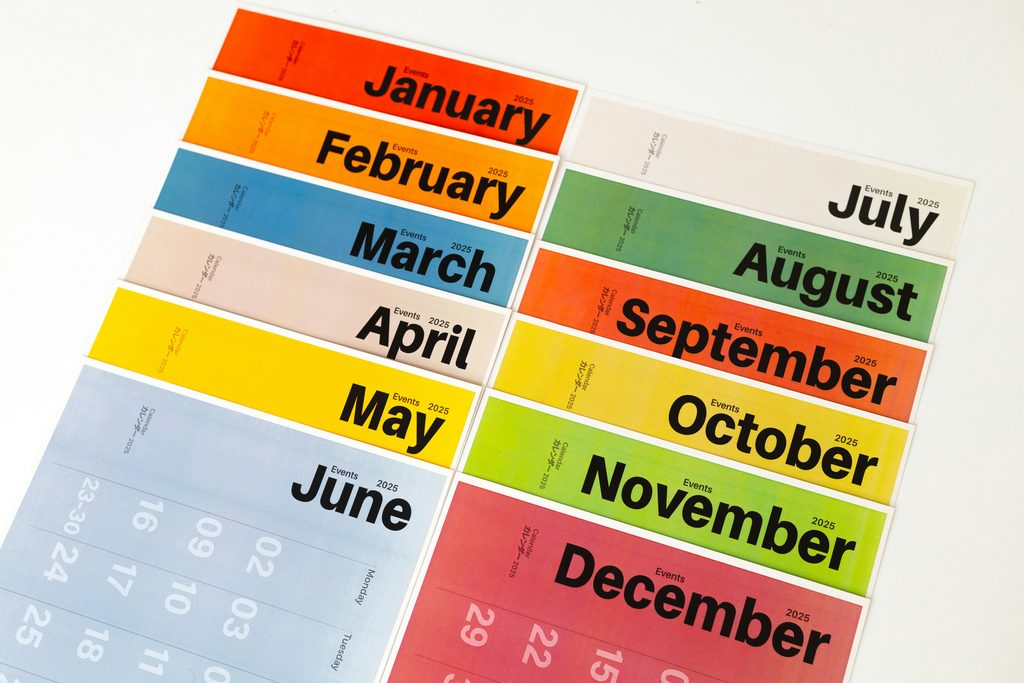
Here are some popular seasonal breaks to define in your annual schedule along with any billing and payment info that could vary for students and teachers.
- Week of Thanksgiving
- Winter Break – typically 2 weeks around the New Year when school is out
- Spring Break week – follow the school system you serve
- Three-day weekends, plus federal, religious, and seasonal holidays
- Summer Break
Within your annual plan, you do not need a specific allowance and time off for every holiday listed above, but these areas will be questioned at some point by your clientele, or staff. You will need to have an answer and plan prepared, and creating consistency in advance will pay off.
VI: In-lesson expectations and standards
Music schools must have an excellent product to keep serving the same base of students for a long period of time. Your revenue and success as a business is reliant on this retention rate too.
Keep in mind that your entire product is the lessons engagement itself and the time block you have dedicated to a specific student. Making the most of each session and leaving students with a feeling of value from the experience is what leads to long-term engagements.
Defining the in-lesson expectations for both a teacher and student in advance does wonders for the success of the relationship as a practice. But why?
By sharing how a typical lesson goes, the amount of info we cover each week, the process for starting and ending each session, and other similar details about how our program works, we remove uncertainty and mismatching expectations.
Otherwise, leaving the lessons 100% to the teacher to curate leaves too much room for improvisation and possible loss of lesson quality, because expectations are not defined. Even worse, there are many teachers who over-deliver in their lessons, which can hurt them in the long-run if they feel this is the norm. They face higher instances of burn-out and lowered earning potential from teaching by chronically over-performing.
Best practices for private music lessons
Both parties should know when a lesson starts, for example. Is this when the teacher, or student has settled into the space and is ready to play? Or when we walk in the door / start the call?
In a 30 minute session, two different definitions of when the 30-minute countdown starts could lead to one party feeling like more, or less time was given than was scheduled.
On the musical end, defining what we learn during a lesson, or what the process of learning an instrument looks like over time, is helpful to both sides of the relationship. It is a way both parties can measure if the central requirements are being met as an agreed upon standard.
On the student side, knowing what to prepare for a teacher to feel comfortable when traveling to them, or on a Zoom call / when they come to the studio for their lesson will help them feel at ease, especially at the start. We recommend including any details about book reimbursement, etiquette around tipping, and even how to pass on any special requests – like removing shoes upon entry – to their teacher to help the first meeting go well.
If the lessons are virtual and connected via video call, these step-by-step processes are even more essential to the success of the initial connection. An effective introduction and set-up by the school at the start will benefit both ends of the lessons.

Lastly, in your lesson standards and expectations, details about communications and who handles different questions as a first point of contact are crucial to include. Be specific about outlining common scenarios and the best person to reach for schedule changes, lesson updates, and cancellations, in particular.
Student questions can easily go to the teacher, or office, based on your infrastructure. The same is true for teachers, but they are actually on the front lines of getting the question to the right place (i.e. an admin), or taking ownership of the inquiry.
In different settings, the main point of contact will vary for difference concerns, and you can personalize your operation based on your vision. The key takeaway is that clear communication flow and assignment of week to week responsibilities in a lessons engagement will directly impact your ongoing success.
VII: Performance opportunities for music students
Reputable music education programs provide regular performance opportunities and recitals to their students. If yours does not, please change this. You are a music school.
Your responsibility is to organize performances, and students can individually decide if they want, or do not want, to participate. But you cannot make this decision for students by simply not having events. You will lose revenue by omitting performance opportunities.
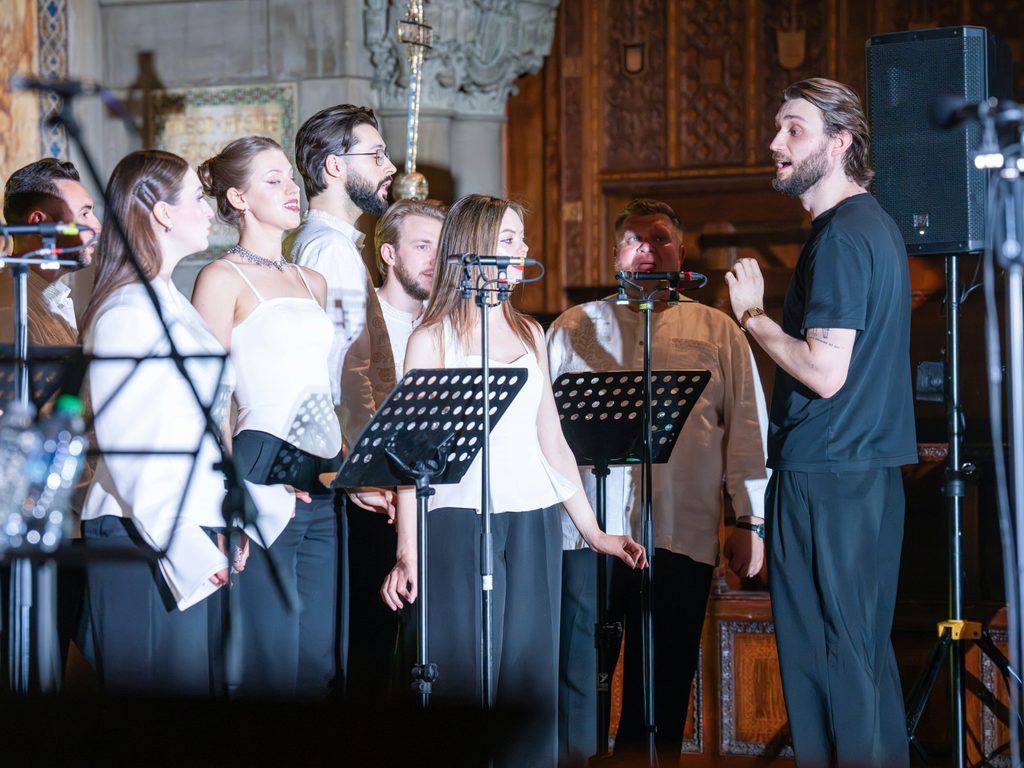
The art of performance and hosting events for your students and teachers is actually a wildly rewarding experience to create for your school. I speak from the perspective of a music school owner who organized student recitals for 16 years, as well as performed in them as a child.
Having a performance process and recital plan for your year mapped out will positively impact your school’s retention and revenue.
Our data backs this up too! Three out of four students who participated in at least one recital per year with our in-home program would continue on with lessons the next year. Out of those who stopped, around 20% would return in a future season, or year.
The students who did not participate were the most likely to stop lessons after one school year, or less, though. This group made up most of the outgoing students our program saw.
The reason students are likely to stop lessons if quality performance opportunities are not provided is based in their connection to their study and lack of a milestone. Learning an instrument can take a lifetime, and students need points of celebration – like performances – to commemorate what they have accomplished so far.
Student music recital best practices
To conduct excellent recitals and events for your music school, you will need to plan on the annual-level. This means scheduling a venue and setting a date no less than 6 months out from the performance, though greater notice for the school director is more typical.
Students will need time to prepare, register for the performance, and have enough of a lead so they can save the date in their schedules. Teachers will need to be part of the preparation process and communicate with their performers about the event too.
Recitals should truly have a sub-handbook within your program, or extended section on best practices for an ideal performance day.** But in your overall policies, your events should also be included, so they are visible as part of your offerings and the student’s expectations.
**Look out for the AstroCat Music School Recital Blueprint – coming soon! It has everything a music school owner, or admin team will need to host fantastic events and communicate updates to students and staff.

VIII: How to request administrative assistance
Our final music school policy recommendation for studios and solo-teachers to define in advance is a catch-all topic: how to request admin assistance for a question, or concern. This guidance applies to both the family and teacher sides.
This category is a catch-all, because if all teachers you oversee and students’ families know how to contact you for help when they need it, most issues can be resolved without knowledge of every other policy shared before this.
Too often, businesses are scared of talking to their customers, though. This discomfort builds, and the warm business relationship that should happen around hosting music lessons becomes cold and disconnected. Business owners become scared of asking the student what they could have improved.
However, it is much more beneficial to prominently display this information and tie this accessibility into your customer service approach.
If you are open to communicating as much as possible with your teachers and student base, and you are brave enough to encourage all the questions they have, you will end up with a stellar program.
The opportunity you have when a student or teacher asks a question is to help in a meaningful way. You have a chance to teach, and educating your music studio’s community consistently reduces the number of concerns and questions that come through.
Why? Because everyone learns the answers from you in time. Trust that your school’s base will learn the ropes if you invest a bit of education and training power into your leadership style.
Curating your Music School Policy Literature
As mentioned earlier, separating guidance for teachers and students as you present your policy information is wise. Both parties are on opposite sides of the teaching relationship, so having a personalized presentation of how the rules go for them will lead to more clarity and understanding.
At the core, your policies will be saying the same thing for both sides of the same lessons, but areas like in-lesson standards and expectations, performance opportunities, and payment policies will have some different responsibilities for each side.

Your Music School Teacher Handbook
As you compile your music school’s teacher-handbook, connecting your staff to the mission of your organization and showing how policies serve as a protection mechanism for their time will build trust and confidence at the start.
Work towards empowering your teacher, and include ample professional tips. Remember that music teachers do not have the same business background in their education, or typical office-experience that other industries may have.
These little tips and tricks for communication verbiage and the words to use to cancel can be a godsend for your team.
Your Music Studio Policies for Students and Parents
On the student end, presenting a full handbook for private lessons may, or may not be the best medium for your studio. You have more options on how this information is shared with the student-side, because they are your official customer.
Efficiency is king for those we serve – even with an educational product.
Parents can receive a handbook like the teacher if you prefer this route, but a better option is to share a “studio policies acknowledgement” form. This document, or online form, would explain all the policies above in a simple, straight-forward list.
Your school would require students, or their parents, to confirm they have read the information you shared about your programs’ rules. Their acknowledgement verifies they understand and will abide by your standards, if they choose to sign and proceed.
Your studio policies should be a foundation and protection for your lessons – i.e. your business’s product.
Requesting this firm acknowledgement from students ahead of starting the lessons is my preferred method of presenting expectations. On so many occasions, I have referenced previous conversations and confirmations I have from parents via email with our policies detailed in the past to resolve billing confusion.
When you have an acknowledgement of central rules of working together, you will have a concrete tool to back-up the way your school does business. This level of protection and stability for your operation is what will enable you to grow and preserve as much income for you and your teachers as possible.
Music School Growth Strategies: get the tools for success

Music school owners, arts entrepreneurs, and freelance instructors have tangible business growth available at their fingertips. We are here to help you reach for the stars and develop a program with sound musical instruction and revenue that keeps climbing.
At AstroCat, we specialize in consulting and coaching packages for businesses with every budget – from single-coaching sessions starting at $325 per hour via Zoom, to full program build-outs and retainers for organizations.
Tap into our decades of combined experience developing music schools for your program, and book a free discovery call with us. We’ll discuss your challenges and how we can help you reach your goals.